Hearing is one of the most important senses we have. It allows us to communicate, enjoy music, and stay aware of our surroundings. However, hearing can change over time due to age, noise exposure, illness, or other factors. Maintaining long-term hearing health is essential for overall well-being, and hearing specialists play a key role in this process. They are trained professionals who understand how the ear works, diagnose hearing problems, and provide solutions to preserve and improve hearing.
The Role of a Hearing Specialist
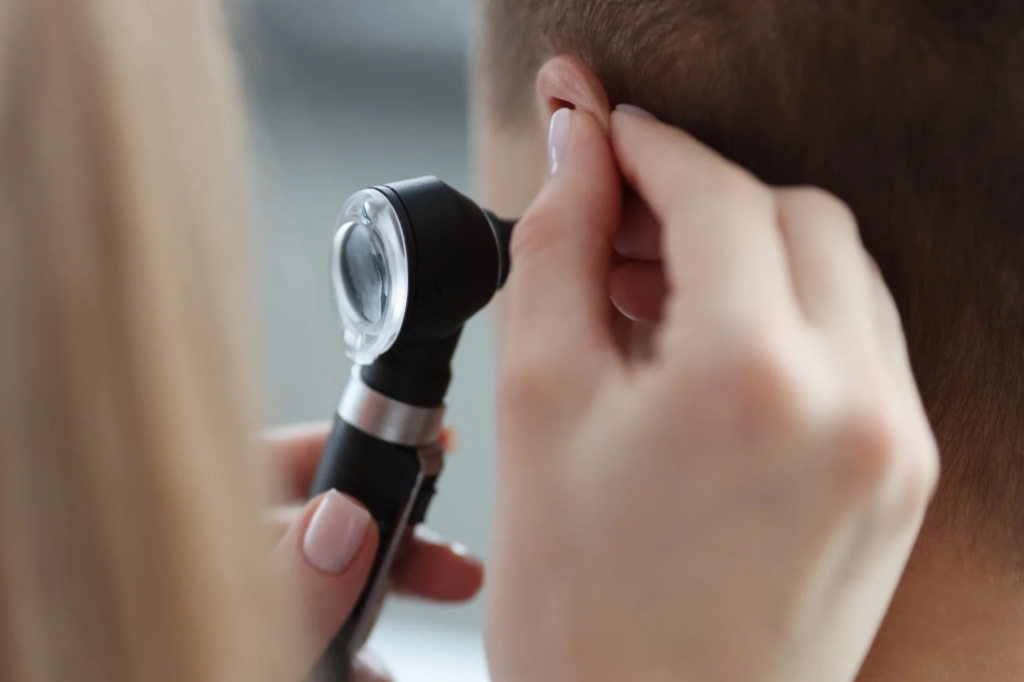
A hearing specialist is a professional trained to identify and manage hearing problems. They can work in clinics, hospitals, or private practices. Their main goal is to ensure that individuals can hear as well as possible and prevent further hearing loss. These specialists use advanced tools and tests to examine the ears and the auditory system. They are knowledgeable about different types of hearing loss and can recommend appropriate treatment plans.
Hearing specialists do more than just test hearing. They educate patients about protecting their ears from noise damage, explain how certain medications or illnesses can affect hearing, and guide people on choosing the right hearing aids or assistive devices if needed. By providing personalized care, hearing specialists help individuals maintain healthy hearing for a long time.
Early Detection of Hearing Problems
One of the most important ways hearing specialists help is through early detection of hearing problems. Regular hearing check-ups can identify minor issues before they become serious. For example, early detection of age-related hearing loss allows for timely interventions that can slow down progression.
Hearing specialists use different tests, such as audiometry, to measure how well a person can hear various sounds. They also check for problems like ear infections or blockages that could affect hearing. Identifying issues early not only improves the chances of effective treatment but also prevents complications that can affect communication and quality of life.
Personalized Hearing Care Plans
Every individual’s hearing needs are different. Hearing specialists provide personalized care plans to address these unique needs. They consider factors such as age, lifestyle, medical history, and the type of hearing loss.
These plans may include guidance on protecting ears from loud sounds, recommendations for hearing aids or cochlear implants, and strategies to improve communication skills. By tailoring care to each person, hearing specialists ensure the best possible outcomes for long-term hearing health.
Education and Preventive Measures
Hearing specialists play an essential role in educating patients about hearing preservation. They teach people about safe listening habits, such as keeping the volume moderate while using headphones and avoiding prolonged exposure to loud environments. They also provide advice on nutrition and overall health, as certain conditions can affect hearing.
Preventive care is as important as treatment. By following the guidance of a hearing specialist, individuals can reduce the risk of hearing damage, maintain clear communication, and enjoy a better quality of life.
Support and Rehabilitation
For those who already have hearing loss, hearing specialists offer support and rehabilitation. They help patients adapt to hearing aids, provide speech therapy techniques if necessary, and offer tips to manage daily challenges. Continuous support ensures that people can stay socially connected and confident despite hearing difficulties.
Hearing specialists also monitor hearing over time. Regular follow-ups help detect any changes early, allowing adjustments to treatment plans or devices. This ongoing care is crucial for long-term hearing health and overall well-being.
Conclusion
Hearing specialists are vital in maintaining long-term hearing health. They offer professional guidance, early detection of problems, personalized care, education, and continuous support. By consulting a hearing specialist regularly and following their advice, individuals can protect their hearing, improve communication, and enhance their quality of life. Investing in hearing health today ensures a better auditory future tomorrow.