Waterproofing is among the most essential requirements for ensuring the structure of buildings. Waterproofing is crucial in countries such as India, where heavy rains are frequent in all states. Water tends to seep in after heavy rains and causes the paint to peel away and ruin the appearance of the house, but it also results in mildew and a musty smell in the home. If it is not addressed for a prolonged duration, seepage of water could cause harm to the health and well-being of residents.
This article will shed light on the most crucial questions regarding waterproofing, benefits, uses, and much more. After reading this article, the fog about waterproofing will be cleared for you. Let’s get right into the topic.
Types Of Waterproofing
Waterproofing is the process of using various materials that function as a strong protection against extreme weather conditions. There are a variety ofwaterproofing methodsg. The following information will help you understand some of the most commonly utilized waterproof materials and their uses.
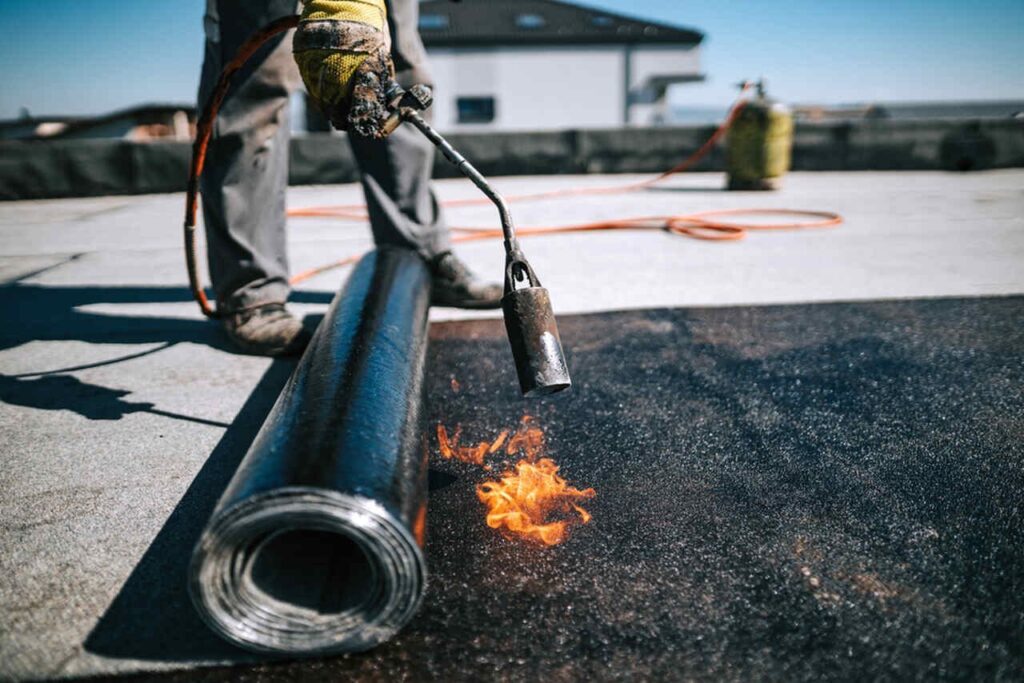
1. APP Bituminous Membranes
APP is an acronym in the form of Atactic Polypropylene. APP Polymer Bitumen Membrane is made by calendering that coats and saturates the synthetic carrier using a chemical composed of a special grade of bitumen that has been modified by APP Polymers as well as fillers. Modifiers play a role in improving the thermal and mechanical characteristics of the membrane compound.
The mechanical properties of the material are enhanced by the polyester carrier, which aids in the resistance to tear, strength, and the ability to stretch. This waterproofing technique is suitable for basement walls, curtain walls, and balconies, terrace roof,s as well as man-made ponds, bathroom water tanks, ks and other wet surfaces since APP Bituminous membranes can be flexed and last for a long time.
2. Self-adhesive BTS membranes
Self-adhesive membrane is distinguished itsthe self-sealing characteristics. Bitumen/asphalt is modified using SBS and high-tack resins. A cross-laminated high-density polyethylene film is created to safeguard this self-adhesive membrane. Self-adhesive membranes are placed without the need for open flames. The material that is waterproof is extremely resistant to alkalis and acids. The applications of self-adhesive membrane include underground installations as well as retaining walls and planter boxes.
3. TPO membrane
TPO water-resistant membrane is extremely effective in creating waterproof roofs that are leakproof. TPO is a shorthand for thermoplastic polyolefin. TPO is created by the process whereby ethylene-propylene rubber and polypropylene are bonded together. TPO is distinguished by hot air-welded seams, which guarantee absolute protection against water intrusion. It is a single-ply roofing membrane with applications all over the globe. TPO membrane comes in different thicknesses and sizes for you to pick.
4. Liquid membranes
This method of waterproofing involves the use of a monolithic, fully bonded layer that creates an elastomeric membrane for waterproofing. There are three kinds of coatings, namely PU-based coating, acrylic elastomeric coat,s antwo-componentnt acrylic-modified cementitious coating. The PU-based coatings are reputed to offer long-lasting solutions. The coatings are applied either by hand or via spray.
Acrylic elastomeric coatings protect concrete against the infiltration of water as well as atmospheric gases. Two components of acrylic-modified cementitious coatings are able to be applied using a trowel, roller, or brush to block water penetration into concrete surfaces.
5. Bituminous products
Waterproofing with bituminous substances is highly effective as the chemical is insoluble when in contact with water, and coatings made from bitumen act as effective water repellents to stop water entry. Structures that have to contend with harsh environments greatly benefited by bituminous coatings. The inherent water resistance properties of bitumen, paired with the strength of adhesive properties,s provide an excellent shield against water intrusion.
6. Cement-based waterproofing technique
This is among the most straightforward waterproofing methods which can be utilized in common and wet areas, like toilets and bathrooms, as well as in water treatment plants, dams, bridges,s metro systems, and railways, parking structures,s and other.
5 Areas Of A House That Need Waterproofing
Water seepage that is triggered by heavy rains is readily visible; tiny quantities of water that find their way into unprotected areas may go unnoticed until it is too late, creating a myriad of issues, such as slow weakening of the structure and eventual collapse. The points below highlight the most important places that require waterproofing with no delay.
1. Bathrooms
Bathrooms are continuously exposed to water, making them one of those areas within your home that require the greatest focus. Water leaks and excessive moisture are commonplace in bathrooms of all kinds. This can be avoided by sealing the bathroom’s walls, ceiling, and floor. The spaces between the ceiling and floor tiles must be sealed. A waterproof paint will protect the ceilings of the bathroom, while the space behind the shower has to be covered with a wallboard that can withstand the humidity and afterwards sealed.
2. Balconies
Balconies are prone to water infiltration because of their exposure to rain and wind. Wood-framed balconies are more vulnerable to deterioration when they are not protected by appropriate waterproofing measures. Waterproofing renders a surface water-resistant by means of the application of durable and elastic membranes and guards against mildew, cracks, mold, andUV radiations. It is crucial to waterproof regardless of how the building is made, whether of a wood frame or concrete.
3. Kitchens
The importance of waterproofing is in the kitchen, where cabinets, countertops,s and backsplashes require special care. It is possible for mold to build up within the cabinet beneath the sink due to leakage. Cracked countertops can also cause dampness and seepage of water. The kitchen is a place where water seepage is easily prevented by using treatment of the surface and sealing joints.
4. Basements
The basement is part of the foundations of the structure and should be shielded from water damageall coststsst. Basements are typically prone to flooding and dampness that can cause a continuous build-up of moisture, which then spills over onto other areas within the building. The waterproofing of your basements will increase the efficiency of your entire square footage of space and safeguard your belongings from humidity and dampness.
5. Roofs/terraces
A leaky roof could cause corrosion to the angles of steel and beams that support your house. Roofs should therefore be waterproofed so that there is no leakage and damages the structure.
7 Key Benefits of Waterproofing
The primary and most apparent benefit from waterproofing is that it protects against the infiltration of water. Steel reinforcements used in concrete construction could be easily damaged if water comes into contact with the steel. Water seepage could also trigger cracking and spalling, both of which can compromise the structure of the property. Waterproofing stops all of this from occurring. However, other advantages can be gained by investing in a high-quality waterproofing system. Let’s look at the following benefits:
- In order to protect structures from the effects of water intrusion, waterproofing essentially prolongs the lifespan of the building.
- It boosts the value of your property as the appearance won’t be compromised, making it much more appealing to potential customers and getting a more attractive price.
- Waterproofing can create a healthier and more positive environment since dry surfaces aren’t attracted by mould and fungi.
- The addition of waterproofing can also improve the efficiency of energy. It is a great way to insulate and eliminate humid air inside, which can strain air conditioners and coolers.
- It safeguards the interior furniture, the work area, and other valuable items from moisture, which will help to prolong their life and preserve their worth.
- It helps to prevent the onset of health issues and helps keep illnesses like respiratory illness, eye infection,s as well as skin irritation and coughing (common adverse effects of moisture accumulation) at lower levels.
- Waterproofing improves the overall health of residentbygh reducing maintenance costs and reducing stress levels.
3 Main Categories Of Waterproofing
There are three ways to protect basements of residential homes from groundwater. According to the British Standard 8102:2009, it has laid out for waterproofing to avoid the ingress of water from the surface. This is a reference for contractors around the world to include measures for waterproofing structures in the very beginning stages of planning and designing. Three methods are suggested to safeguard against water penetration:
1. Type A (Barrier) Protection
Barrier protection is the application of waterproof materials to the exterior or interior floors and walls of the basement. This type of waterproofing is designed to create an effective wall between the construction and groundwater. This technique is also known as tanking. It is possible to apply the waterproofing material to the internal or external floor or wall, and also between floor or wall surfaces. This is referred to as sandwiched waterproofing.
2. Type B (Structurally Integral) Protection
Type B protection focuses on creating a structure that is resistant to water intrusion. The materials and design used in the construction are crucial when it comes to waterproofing protection. The quality of the workmanship also plays a role. The structures that are designed to withstand water damage should be constructed from reinforced concrete that is water-resistant as well as structural steel.
3. Type C (Drained) Protection
Type C protection is based upon an in-built water control system in order to deal with the harmful consequences of water intrusion. Groundwater is permitted to pass through the exterior wall of the structure, and is then taken up by the Cavity Drain Membrane, which is then used to divert it to a safe place of disposal through the monitored drainage network. This Membrane, also known as a Cavity Drain Membrane, is accountable to divert the water into drainage channels that are designated for it.
Winding Up
Waterproofing is essential to protect structures from the dangers of water leaks. Water leaks can ruin the aesthetic appearance of the structure and can cause deterioration in the indoor air quality. Making the investment in a good waterproofing solution can help you save time and money in repairs and maintenance over the long term. Like most specializations, waterproofing is an area best left to experts. It is advised to speak with a reliable waterproofing solution company that utilizes waterproofing products of the highest quality.
Experts with years of experience and excellent craftsmanship will assist you in choosing and installing an effective waterproofing system that will work perfectly for your home and prolong its life. Shibam Ventures and Building Materials (P) Ltd is among India’s leading companies within the waterproofing, roofing, and construction chemicals industry for more than 3 decades.
They are true waterproofing experts who specialize in the importation of top-quality, advanced technological waterproofing products. With outstanding service and craftsmanship, Shibam Ventureshas emergedd as one of the most dependable brands for all waterproofing needs throughout India. Contact Shibam Ventures’ team now to discuss your individual needs and to avail custom best waterproofing solutions.