Small and Medium Enterprises (SMEs) constitute the core of the UK economy and contribute significantly to the private sector’s turnover and the creation of jobs. Providing adequate funds to SMEs is vital to sustain this expansion. In recent times, it has been evident that the SME lending environment within the UK has experienced significant changes. They have presented challenges and opportunities that are changing the way markets are conducted.
Key Trends in SME Lending
- The emergence of Challenger Banks and Alternative Lenders: SME’s often have difficulties with bureaucratic processes when they work when dealing with traditional high-street banks. According to a study conducted by Fintech Global, 4 out of 10 UK small and medium-sized enterprises are now choosing FinTech lending over traditional banks. This trend has heightened the competition among lenders.
- Improved Access to Data: Access to data in real-time allows for more detailed analysis and insight about the borrower. The lenders are currently developing advanced credit policies based on data to improve lending decisions.
- Automated and Scalable Technology: Increased competition has led to the use of technology and automated credit policies, easing customer journeys as well as providing SMEs with a faster service of credit as a service.
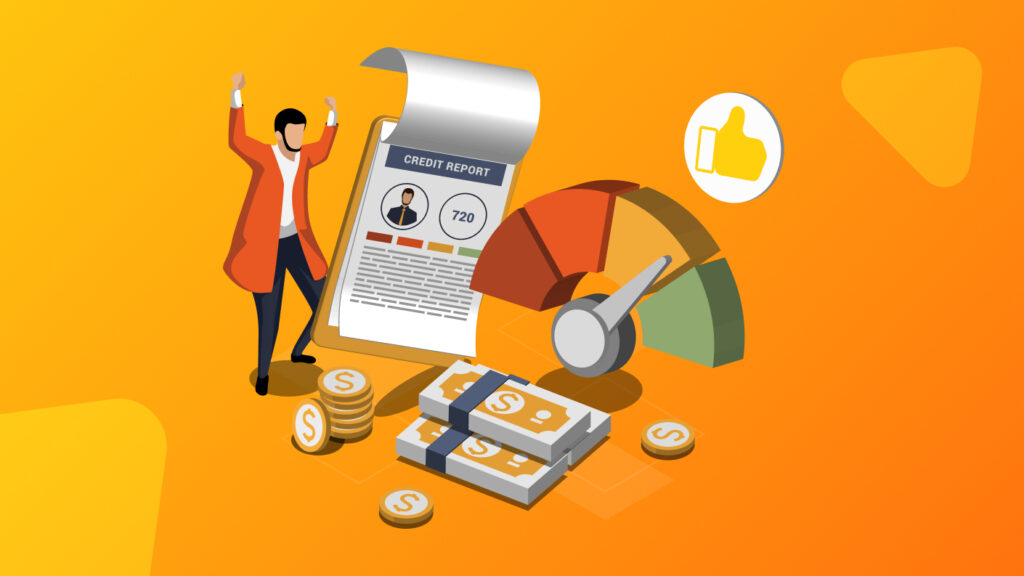
What is a Credit Score, and Why is it Relevant for SMEs?
Credit scores are a crucial instrument to determine the credibility of an institution. Based on UK Finance, there is an increase in the number of insolvencies in SMEs in Q2 2024; however, these are less than the downturn of 2008-09. To stop this from happening, Credit Scores play an important role in the overall evaluation of SME lenders, and banks, as well as other lenders, can utilise the Credit Score to decide on the lending.
For SMEs, having a solid credit score will open up more financing options. As per the British Business Bank, a company’s credit score is a determinant of:
- The amount a company can take out.
- The interest rate applicable.
- Whether or not a loan application will be accepted.
Additionally, the credit score can affect everyday business interactions like the negotiation of contracts or tenders. Because commercial credit scores are publicly accessible, they can have implications that go beyond borrowing.
The traditional credit scoring model considers aspects like repayment history, debt-to-income ratios and credit history. However, these models frequently fail to take into account the unique characteristics of SME, including the mood of customers or changing market behaviour. This can cause a miscalculation and even a risk of default.
How AI is Revolutionising Credit Scoring for SMEs?
AI-driven technology is changing credit scoring, providing solutions to the shortcomings of conventional models:
- More efficient decision-making: AI automates credit scoring by identifying crucial information from loan applications, which reduces manual processing time and improves the underwriter’s decision-making.
- Performance and Scalability With the increasing SME Loans: AI allows lenders to grow efficiently and handle large applications without sacrificing speed or accuracy.
- Reduction of Bias: Traditional systems typically concentrate on the historical data for credit. AI can mitigate these biases and allow for more equitable lending practices and improved compliance with regulations. However, careful supervision is essential to prevent perpetuating the biases that are derived from data in the past.
- The Dynamic Scoring system: A.I.-powered devices are able to modify credit limits or terms automatically based on changing financial behaviours, thus ensuring constant relevance.
- Fraud detection Predictive: AI models can identify suspicious financial patterns and prevent fraudulent transactions in real time.
- Time and Cost savings: Automating the extraction and verification of documents significantly reduces processing time and operating costs.
Benefits of AI-Driven Credit Scoring for SMEs
By leveraging AI, lenders can:
- Streamline operations, which reduces the time required to get credit for SMEs.
- Enhance creditworthiness assessment by using accurate, real-time information.
- Provide small and medium-sized businesses with access to timely and fair financing, which will help them grow.
Conclusion
The introduction of AI in the lending world is no longer a competitive advantage; it’s now a requirement. Technologies such as Debilities’ Revel are equipping lenders with the ability to run their businesses with unimaginable speed, as well as precision and efficacy. In an ever-changing economy, the capability to adapt and adopt the latest data-driven, flexible credit policies will determine the direction of SME financing in the UK.
In investing in AI, lenders are able to not only expand their operations but also enable SMEs to maximize their potential for growth, which will result in an improved resilience and dynamic economic environment.