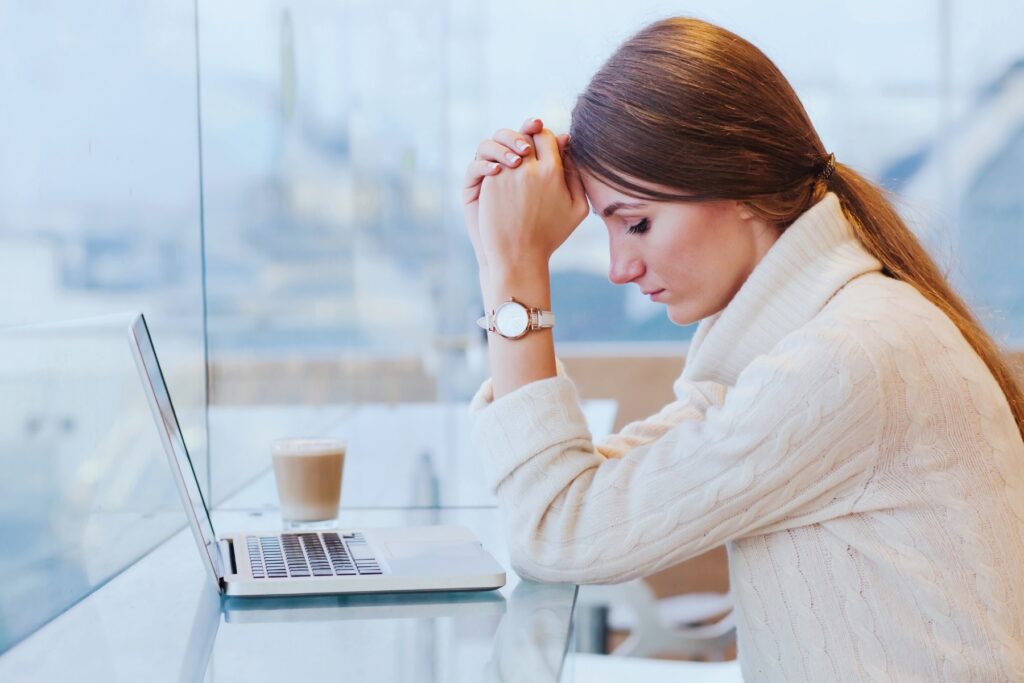
In the modern world Stress and anxiety are quite common and often triggered by different pressures like family obligations, work pressures, or other challenges in life. This could be due to things like work pressures or family obligations, or the current state of the world and the world. These emotions are harmfultor us. The good news is that managing stress is among the methods that people can take some control in their lives, and lead an active and healthy life. In this blog, methods will be described step-by-step to reduce anxiety and stress and assist individuals in dealing with their daily issues.
Understanding Stress And Anxiety
Let’s now look closer at anxiety and stress before discussing ways to minimize them. Stress and anxiety are the feeling of tension due to pressures in a variety of areas, such as relationships, work, and sudden changes. It is based on the time of its occurrence, and it can be intense,se either short-term or long-term, erm impacting our health in a variety of ways. Anxiety is the feeling of being anxious or anxious, and is often prolonged even when there is no imminent threat. While stress can cause anxiety, stress is a completely different issue that requires a different approach to handle.
The factors that cause stress and anxiety can be caused by job pressures, interactions with others, and health issues. If they are not addressed, they can lead to health issues like headaches and loss of appetite. Excessive stress, high blood pressure, and consumption, or mental disorders like depression.
How To Reduce Stress: Practical Tips
Begin by implementing strategies to relax the body and mind in order to help manage stress efficiently. Here are some proven strategies to help reduce stress:
1. Mindfulness and Meditation:
Mindfulness refers to being conscious of the present and, consequently, helps reduce stress-related feelings. Meditation, for example, allows the mind to focus and, simultaneously, be free of stress.
2. Physical Activity:
Exercise is one of the most effective solutions to stress, provided that you are active regularly. Aerobic activities such as jogging or walking decrease stress through the release of endorphins, hormones that boost mood.
3. Time Management:
Inadequate or ineffective time management can lead to an appearance of disorder, and consequently stress. That is when you set priorities for the task, establish achievable targets, and then break down the task into smaller tasks and subtasks; you’re likely to develop a more efficient time-management plan.
4. Relaxation Techniques:
Relaxation through oxygenation, categorical relaxation, and visualization are just a few ways to relax the muscles, thereby reducing stress.
5. Healthy Lifestyle Choices:
A healthy diet, regular sleeping, and limiting your intake of stimulants like tea or coffee are crucial to manage stress. Stress can only be managed efficiently if they possess the energy and mental capability to handle it, and this can only be achieved through proper nutrition and rest.
How To Reduce Anxiety?
In the case of the best ways to decrease anxiety, a mix of techniques for therapy and lifestyle adjustments is highly effective.
- Cognitive Behavioral Therapy (CBT): CBT is a therapy that is used to change one’s negative thinking. Through changing the way one thinks, mental thinking, CBT can help reduce anxiety during day-to-day tasks.
- Social Support: Establishing and maintaining healthy and positive relationships with others can bean security against anxiety. Engaging with friends and family and participating in support groups can ease the mind and ease feelings of loneliness.
- Limiting exposure to triggers: First, it is important to determine which situations could trigger an emotional response as a result of anxiety. This means that one can stay clear of certain places, situations, or people, and prepare for these situations.
- Professional Assistance: Getting help from a therapist is crucialift anxiety becomes overwhelming. Doctors of a variety, such as counselors, therapists,s and psychiatrists, are able offer the best strategies to manage anxiety, such as treatment or prescription drugs.
What Are The Ways To Reduce Stress And Anxiety Together?
While anxiety and stress are not the same, they frequently occur in tandem. These are some comprehensive strategies to deal with bo.th
- Holistic Methods: Combining methods like aromatherapy, yoga, and journalingise effective in reducing anxiety and stress. Yoga is one example. It is a combination of physical exercise and meditation, decreasing tension and encouraging relaxation.
- Establishing a routine: A routine that is consistent throughout the day gives structure and predictability, which helps reduce anxiety and stress. Regularly scheduled sleeping routines, meal times, and workout schedules help create an overall sense of security.
- Self-care Practices: Integrating self-care practices into your daily routine is vital to manage anxiety and stress. Be it an unwinding bath, reading a novel or a book, or simply going out in nature, such activities help you to refuel and maintain the health of your mind.
When to Seek Help?
There are a variety of ways to manage anxiety and stress at your own pace, but there are instances where professional assistance is needed. If you feel that anxiety or stresisre impairing your life, impacting your relationships, or causing physical discomfort It could be the right time to seek out a medical professional. Counselors, therapists, as well as psychiatrists have been trained to assist youin findingd coping strategies and, if needed, prescribe medications to help manage the symptoms.
Conclusion
Stress and anxiety are normal aspects of life. However, they don’t need to take over your life. Understanding the causes of these emotions and the need to implement effective strategies to manage stress will dramatically improve your quality of life. From exercise and mindfulness to social therapy and support, there are numerous strategies to decrease anxiety and stress. Begin by incorporating some of these strategies in your daily routine, and gradually, you can build a toolkit of strategies that will work for you. Be aware that taking proper care of your mental well-being is as crucial as taking care of your physical health,h and both are essential to living a healthy, satisfying life.
Frequently Asked Questions (FAQs)
Q1 What is the Difference between Stress and Anxiety?
A: Stress refers to the feeling of feeling over-stressed or under pressure, typically caused by financial pressures, work,ork or relationships. It’s a normal reaction to stressful situations. Anxiety can be described as a sensation of fear or worry that may be continuous or recur in waves even when there’s no threat.
Question 2: What can be Indicators of Stress and Anxiety?
A: Some of the most common indications are:
- Sleeping difficulties
- Tension in muscles or headaches
- Are you feeling irritable or anxious?
- It is difficult to concentrate. rate
- The change in your appetite, or weight gain
- Fatigue
- Feeling overwhelmed and hopeless
Q3: How do I Handle my Stress in my Personal Life?
A: You can do a variety of ways you can lessen stress, such as:
- Exercise regularly
- Practice relaxation techniques
- Make sure you get enough rest
- Eat a healthy diet
- Limit caffeine and alcohol
- Spend time with family and friends
- Ln to not say no.
- Pause for a break
- Do things that you like.
Q4: When should I seek out Professional Assistance?
If anxiety or stress hinders your daily activities and relationships, or at work, it is essential to seek out professional assistance. A counselor, therapist, or psychiatrist will be able to teach you strategies for managing stress and, when necessary, prescribe medications to help manage the symptoms.