Creating a beautiful outdoor space is a dream for many homeowners. However, maintaining a lush garden often requires a lot of water, time, and effort. In areas where water is limited, traditional landscaping can be both expensive and unsustainable. This is where xeriscaping comes in. Xeriscaping is a smart landscaping approach that combines beauty with water efficiency. It allows you to have a thriving garden without overusing natural resources. In this article, we will explore how xeriscaping can transform your outdoor space into an attractive, low-maintenance, and eco-friendly environment.
Understanding Xeriscaping
Xeriscaping is a type of landscaping that focuses on using plants that require minimal water. The word “xeriscape” comes from the Greek word “xeros,” which means dry. The main goal of xeriscaping is to create a visually appealing garden while conserving water. It is not just about planting cacti or desert plants; it involves careful planning and smart design. By selecting drought-tolerant plants, using efficient irrigation methods, and improving soil quality, xeriscaping can create a sustainable and vibrant outdoor area.
Choosing the Right Plants
One of the most important aspects of xeriscaping is selecting the right plants. Drought-resistant plants, such as succulents, lavender, and ornamental grasses, thrive with minimal water. Native plants are also a great choice because they are already adapted to the local climate. Choosing the right plants reduces the need for constant watering and maintenance. With a variety of colors, textures, and shapes, these plants can create a garden that is both beautiful and sustainable. Thoughtful plant selection also ensures that your outdoor space remains attractive throughout the year.
Efficient Water Use
Xeriscaping emphasizes the efficient use of water. Unlike traditional gardens that may waste water through overwatering, xeriscaping uses methods that deliver water directly to the plant roots. Drip irrigation systems, soaker hoses, and mulch are commonly used to conserve water. Mulch helps retain moisture in the soil and reduces evaporation, which further decreases water usage. By using these water-saving techniques, homeowners can significantly reduce their water bills while keeping their garden healthy and green.
Design and Layout Strategies
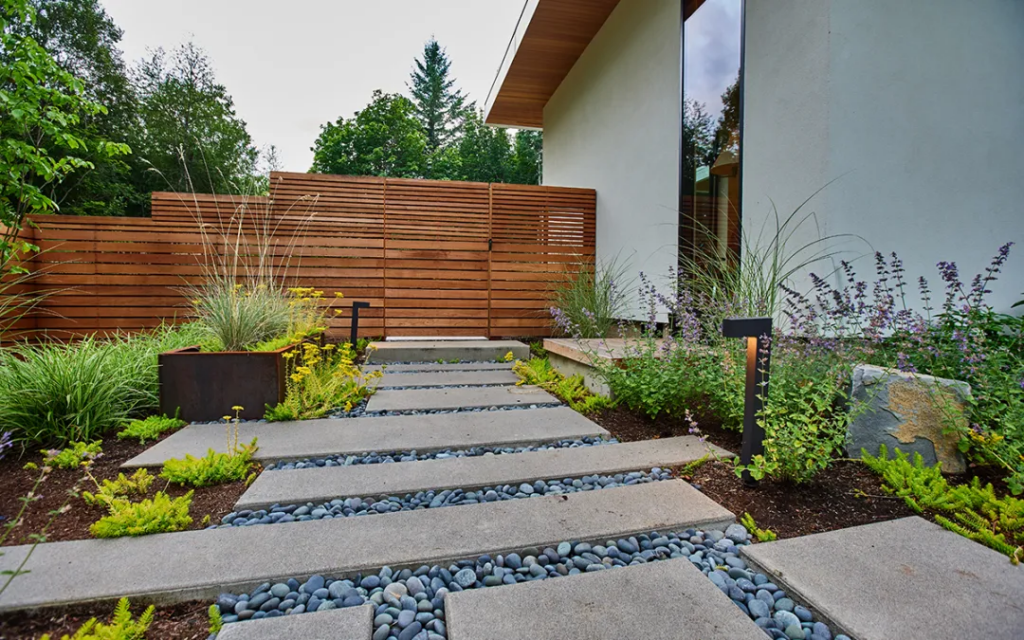
The design of a xeriscaped garden is another key factor in its success. Grouping plants with similar water needs together ensures that each plant receives the right amount of water. Pathways, rocks, and decorative stones can be incorporated to create structure and visual interest. A well-planned layout not only looks attractive but also helps manage water flow and prevents erosion. By combining functionality with aesthetics, xeriscaping allows for a garden that is both practical and pleasing to the eye.
Benefits Beyond Water Savings
In addition to conserving water, xeriscaping offers many other benefits. It reduces maintenance needs, saving time and effort in mowing, trimming, and weeding. Xeriscaped gardens also support local wildlife by providing habitats for birds, bees, and butterflies. The use of native plants and natural landscaping techniques can improve soil health and reduce the need for chemical fertilizers and pesticides. Overall, xeriscaping creates a sustainable outdoor environment that is good for both homeowners and the planet.
Conclusion
Xeriscaping is a powerful way to bring beauty and efficiency to your outdoor space. By using drought-tolerant plants, conserving water, and planning your garden thoughtfully, you can create a vibrant and low-maintenance landscape. Beyond water savings, xeriscaping promotes sustainability, supports wildlife, and enhances the overall appeal of your property. Embracing xeriscaping allows homeowners to enjoy a gorgeous garden while protecting natural resources, making it an ideal choice for modern landscaping.